VEXPLOR
VEXPLOR VISION

You cannot stop a factoryto run experiments.

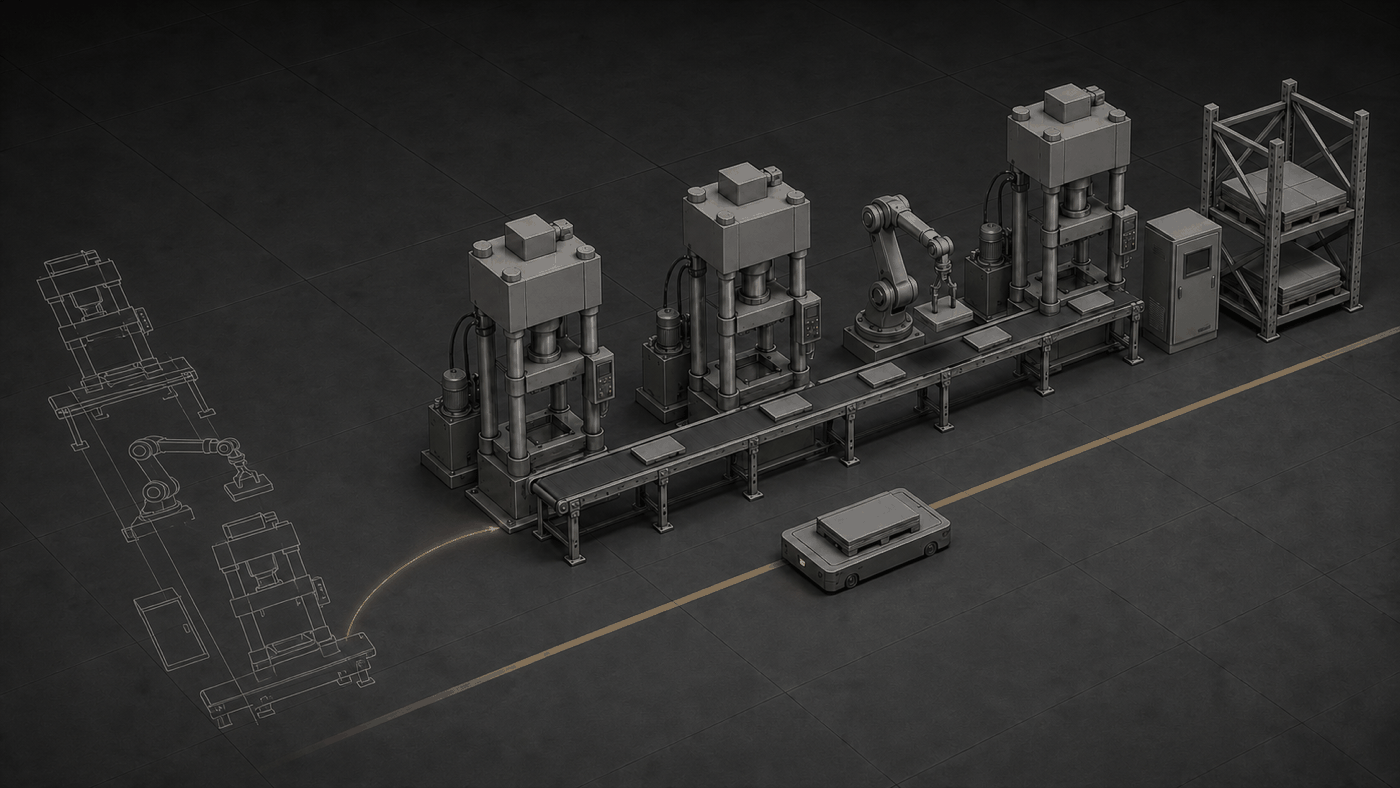
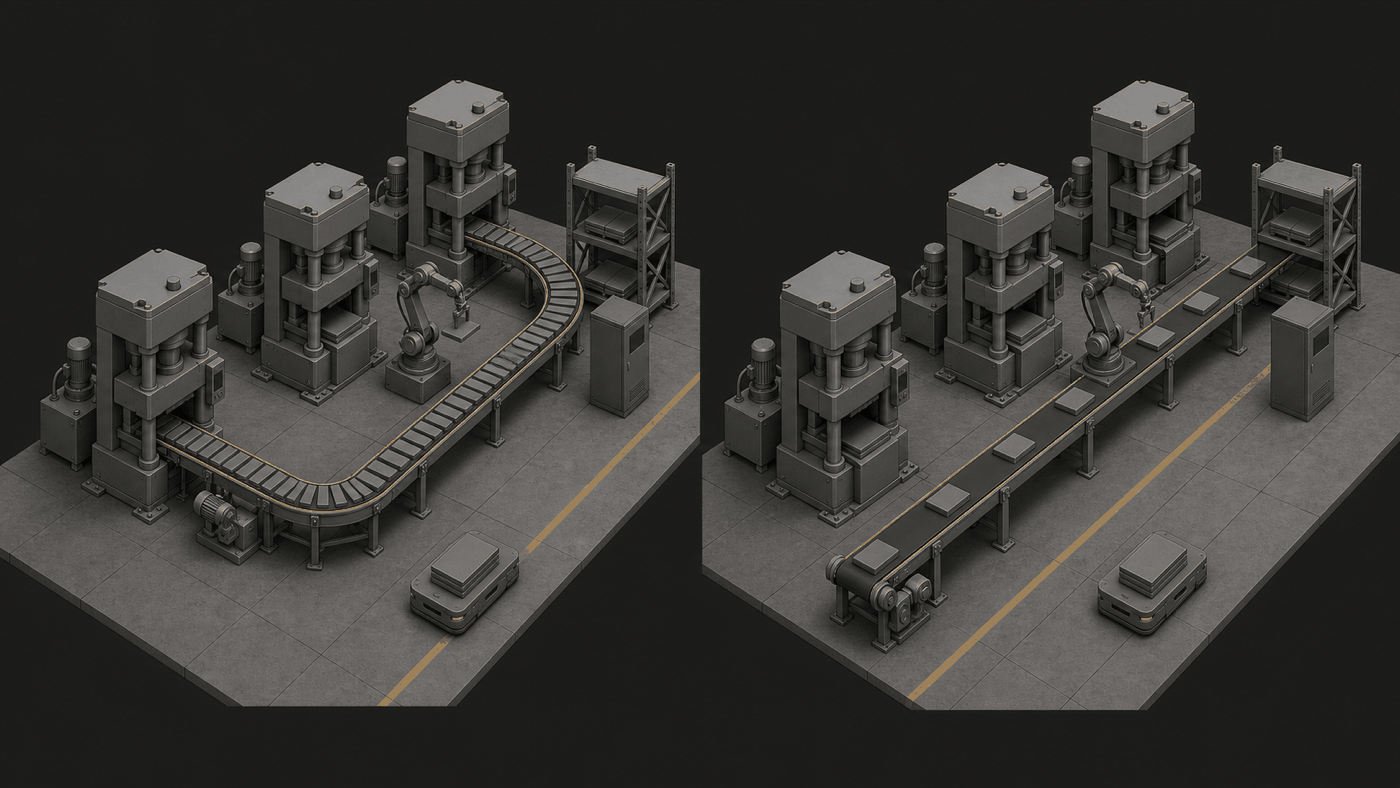
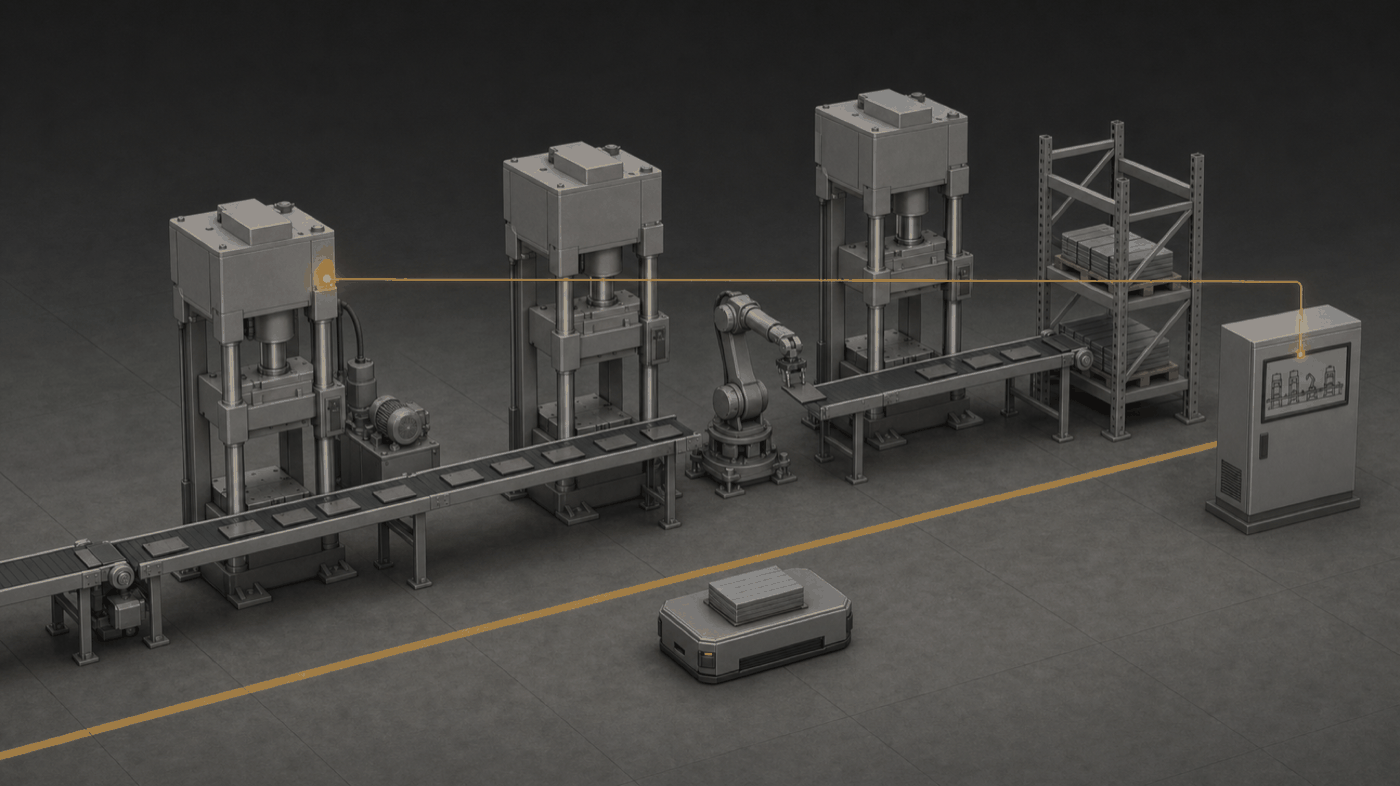
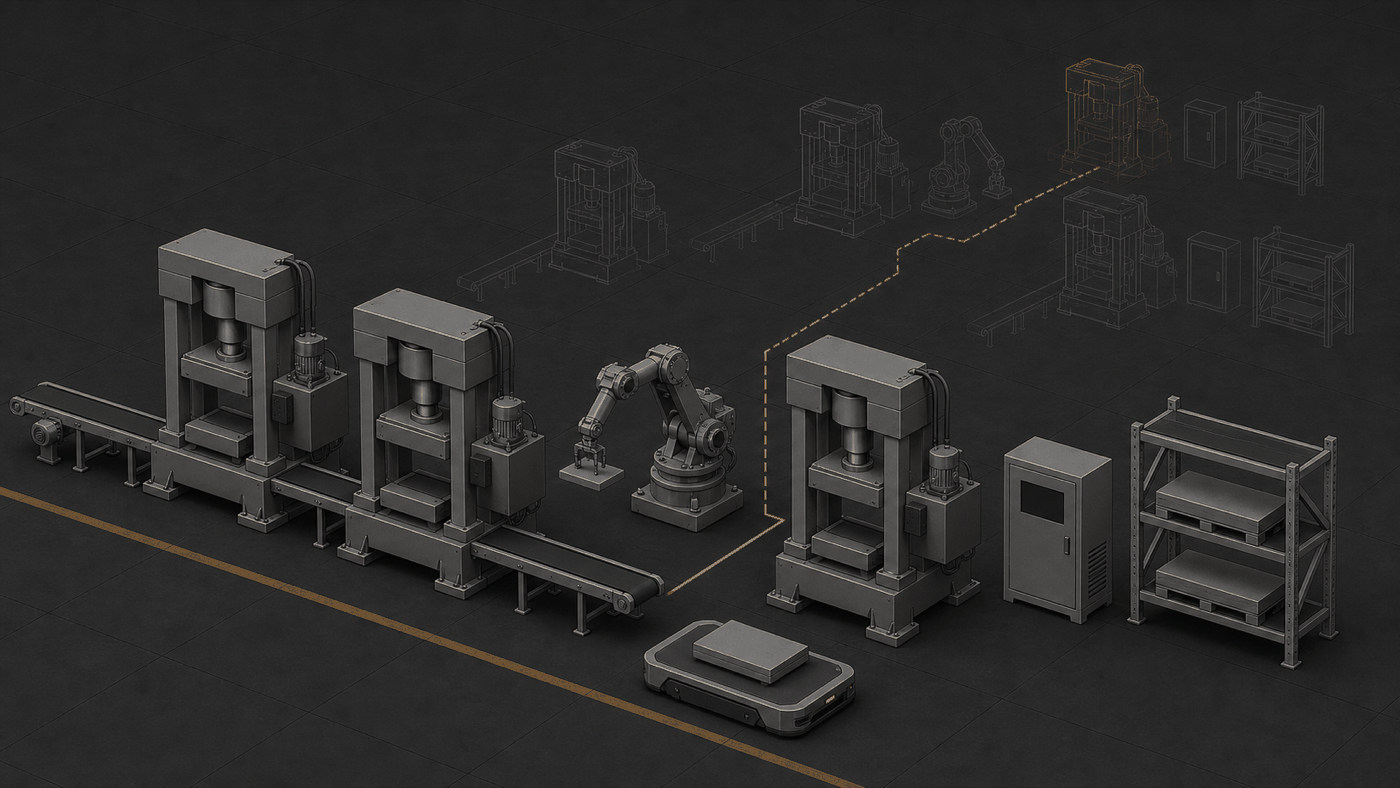
So we built a second one. WACE runs real-time synchronisation and direct AI-to-PLC control in a working plant today, and this family is built on that. It starts with assembling the plant, validates changes before they happen, watches the floor in real time, and hands validated decisions to equipment — five stages that carry through.

FIVE-STAGE FAMILY · ACCURACY 85% AUTONOMOUS FACTORY DEMONSTRATION · 186 · 25 · 6 SIMULTANEOUS SYNC VERIFIED
VEXPLOR VISION · 3D DIGITAL TWIN
BUILD → TWIN → SIM → LIVE → ACTFIG — START AT ANY STAGE AND ATTACH THE NEXT
01PROBLEMTHE COST OF TRYING

The cost of failing
makes trying hard.

Layout changes, equipment expansion, dispatch logic — dashboards show the past but do not answer "what happens if we change this". Vision answers before you change it.

  • Failing virtually costs nothingInstead of deciding on instinct, put a result you have actually run underneath the decision.
  • One model, five stagesValidate on the twin you stood up, monitor on the same view, execute on the same base.
  • Start at any stageBegin with the twin alone and attach validation, monitoring and execution later.
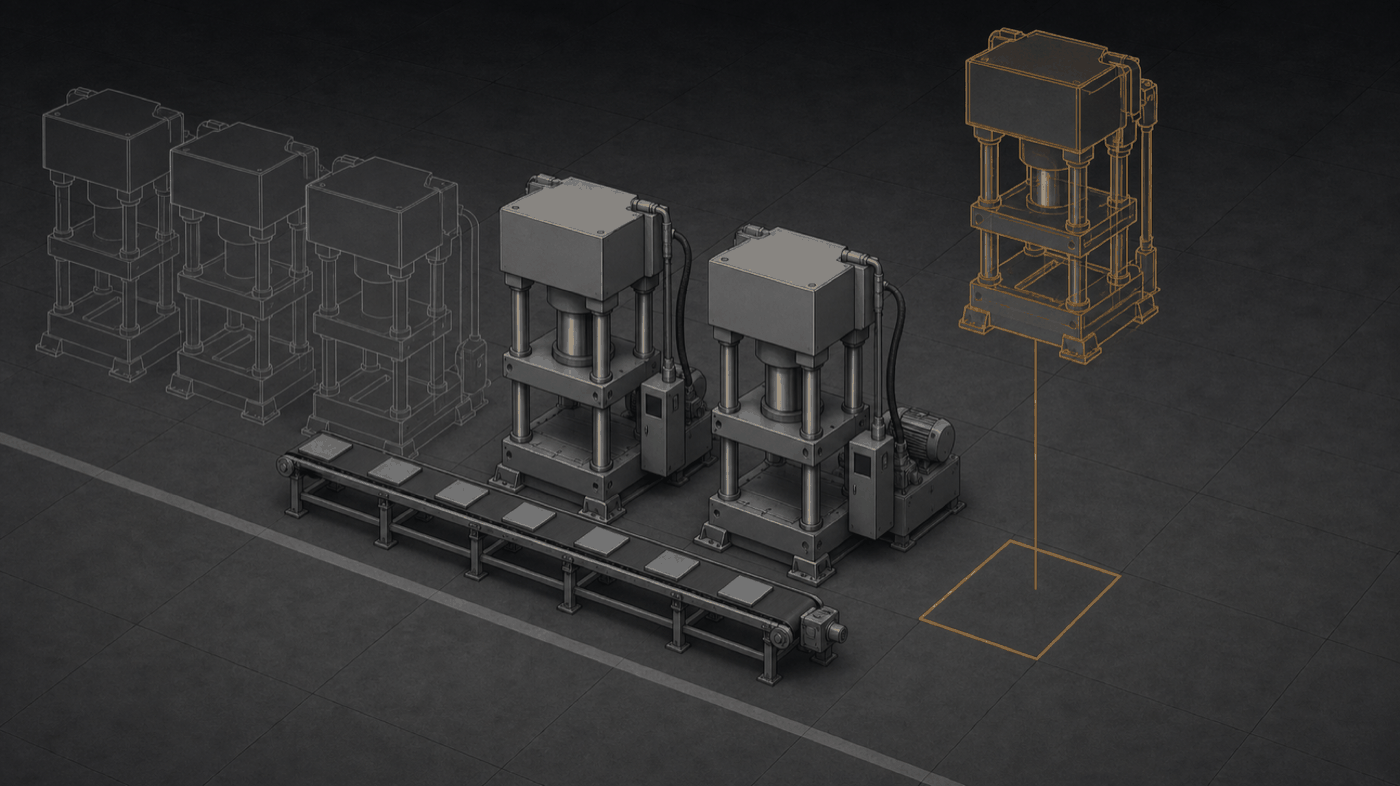
02FIVE STAGESEACH WITH ITS OWN PAGE
03HOW TO BUY3 TIERS
TIER 01

Starter — run it first

Twin + Sim
Companies weighing expansion or reconfiguration. Stand up the plant, then check before you change it.

TIER 02

Operations — watch it

+ Live
Companies with several plants or unmanned shifts. Real-time monitoring on top of validation.

TIER 03

Autonomy — hand it over

+ Act
Companies heading for an autonomous or dark factory. Foresight through to execution in one product.

Sim runs on top of Twin, so what you buy is a bundle rather than a stage. Act is adopted together with an autonomous factory build. Build is in development and availability follows progress.
VERIFIED85%Simulation accuracy — the demonstration site reference
VERIFIED186 · 25 · 6Presses, AMRs and EMS synchronised simultaneously
VERIFIED243Total connected scope — PLCs at the reference plant
SPEC100ms · 20fpsReal-time sync — in implementation and verification
04QUESTIONSThe five we hear most
It sounds expensive.
We do not sell a whole-plant rollout. You start with a diagnosis, then a pilot on one line section, and decide on expansion after seeing how closely the model matches your measurements. The comparison is not the price of software — it is the money tied up in one machine bought wrongly.
Isn't this too much for our size?
Small and mid-sized manufacturers are our main customers. No installation, no high-spec hardware, no dedicated staff — it runs in a browser, and you start with one line section. What is too much is not the twin but betting the whole plant at once.
We don't have the data.
What you need to start is the equipment 3D drawings you already hold. Field signals, including older PLCs from different makers, are gathered through an edge gateway — one plant runs with 243 PLCs connected today. Whether your data is usable is the first thing the diagnosis establishes.
We already have MES. Doesn't this overlap?
It sits on top rather than overlapping. MES records and issues production; the twin takes that data, shows the plant in 3D and runs it forward before you change anything. Existing MES and PLC signals are used as input — this replaces nothing.
Handing equipment to AI makes us uneasy.
The design rule is no control without validation. An AI decision reaches equipment only after passing validation in the virtual plant, and authority is set by you across five levels starting from read-only (L0). It begins in Shadow Mode, where the AI operates nothing and only runs alongside human judgement for comparison.

This family is the twin of a working autonomous factory.

At a demonstration site of Korea’s MSS Autonomous Factory Program, 186 presses run alongside the twin.

See the casesRequest an assessment