VEXPLOR AI AGENT · PURCHASE & MATERIALS
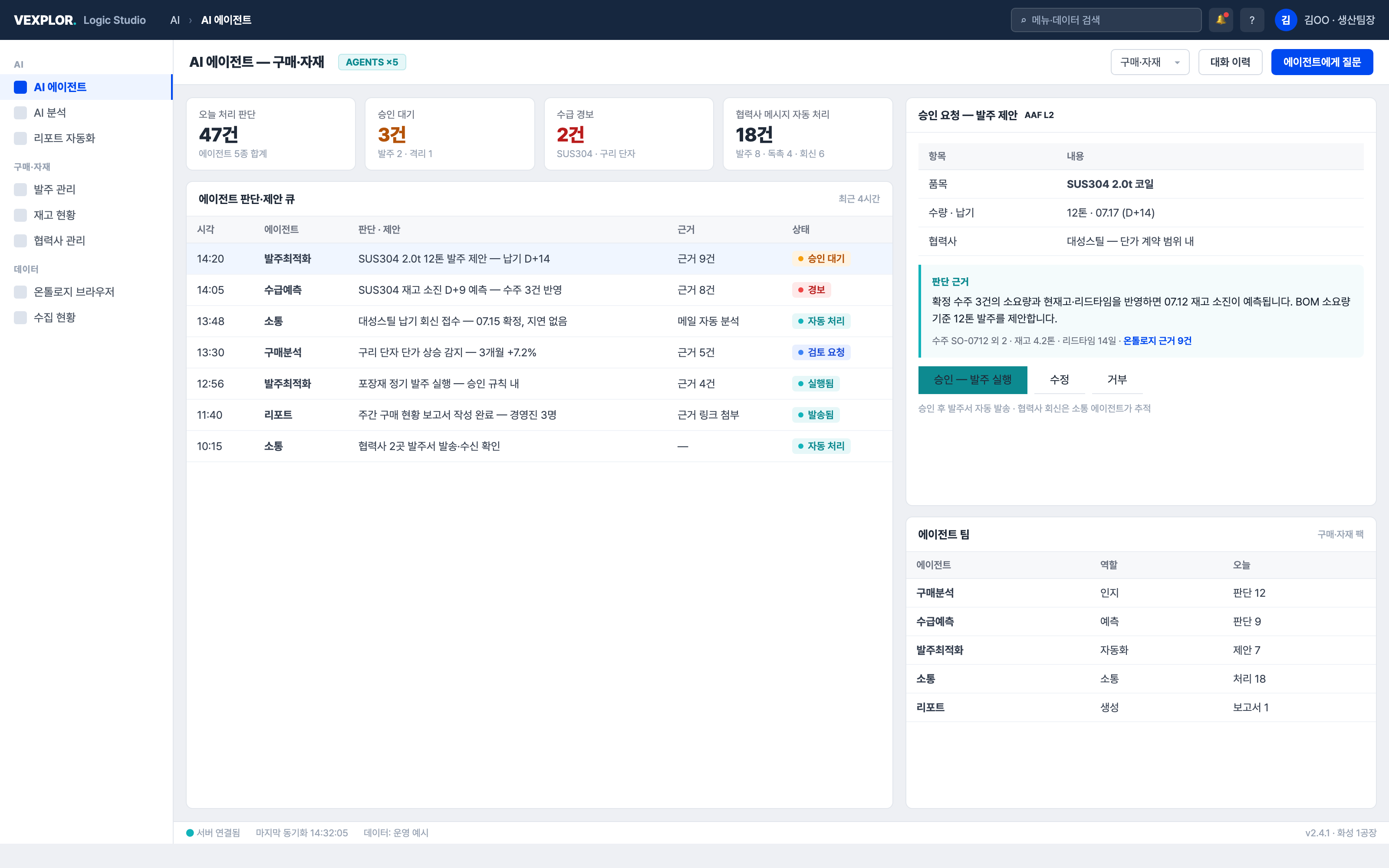
FIG.0 — AI AGENT WORKSPACEScreen data shown for illustration
We don't rip out what you already run. ERP, MES, PDM, even spreadsheets — we connect your existing systems and data through an ontology layer and put a team of AI agents on top — five agents that read the data, forecast supply, propose orders, talk to suppliers and write the reports, working as one continuous flow.
An order comes in, and someone digs through the ERP, the PDM and a stack of spreadsheets to check materials, sets order quantities by gut feel, and chases suppliers by phone and email. The system keeps records — the judgment and the legwork stay entirely human. Four structural problems we see on factory after factory:
Item codes differ across ERP, PDM and subcontractor systems — people reconcile the same material by eye.
The more items and the more outsourcing, the more supply decisions get trapped in one person's experience.
When will the material arrive, and when can we build? A confident answer is hard to give.
Orders, reminders and replies for dozens of suppliers scatter across phone and email — managing them becomes a job in itself.
 FIG — FIVE ROLES, ONE RELAY
Standing up one more agent for every task soon turns into dozens of maintenance liabilities. What a factory needs is not a headcount of agents but an environment agents can work in. What matters here isn't the number five — it's the team structure: five agents with divided roles, from perception to generation, hand results to each other on one ontology environment and carry the work through to the end. Purchasing and materials is the first pack — the environment stays put while the same approach extends to production, quality, equipment and beyond.
On the dark factory journey, this service is the third step — Intelligence. Agents begin to make judgments on the data standards laid in the Foundation and Integration steps. The environment agents work in starts with a diagnosis — Dark Factory Consulting checks your data standards and integration readiness first.
 FIG — ADD WITHOUT BREAKING
Replacing a core system is a multi-year decision. AI agents don't ask for it. Your existing ERP, MES and PDM servers are left as they are; an edge server pre-processes and securely forwards the data, and the ontology auto-maps each system's data structures on the VEXPLOR AI server.
| AS-IS — PEOPLE DIG THROUGH SYSTEMS | TO-BE — AGENTS BRING ANSWERS TO PEOPLE | |
|---|---|---|
| Sales & orders | After each order, staff check material availability department by department before quoting a date | The forecasting agent presents material and delivery scenarios the moment an order lands |
| BOM reconciliation | Item codes across ERP, PDM and spreadsheets compared by eye | Ontology auto-mapping absorbs code mismatches — people only review the result |
| Outsourced ordering | Quantities set by experience, managed over phone and email | Order and communication agents propose, send and track — people approve |
Every judgment is verified against ontology relations. What reaches people is not a plausible guess but an answer with its data evidence attached.
BASEONTOLOGY RELATION TYPES 22 · GRAPHRAG ×5 · CAUSAL REASONINGWhat the agents are allowed to do is governed by the AAF framework — proposals only, or approve-then-execute. Your company sets the boundary.
CONTROLAAF L0–L4 · APPROVAL GATES · FULL DECISION AUDIT LOGThis substrate isn't built for our agents alone. Whatever AI agents you end up running, working safely in a factory takes a substrate of data standards, permissions and verification laid down first. That substrate is what VEXPLOR builds — agents will keep changing; the substrate stays with your company.
How the technology works — Platform →Five purchasing and materials AI agents across the plants of a semiconductor-component maker (N2 purge systems) — integrating its existing K-System ERP through the ontology, without replacing it.
STACKAI AGENTS ×5 · K-SYSTEM ERP + PDM ONTOLOGY MAPPING · 2026.07–2027.03 IN PROGRESSA POP delivery project is under way in the same ERP ecosystem, and we also build through ERP partner channels — the partner brings the customer relationship and ERP domain; WACE builds and operates the AI.
MODELERP PARTNER CHANNEL · GOVERNMENT MFG-AI TRACK AVAILABLE (KOREA) · STAGED ADOPTION (PROPOSE-ONLY → APPROVE-EXECUTE)We diagnose the systems you run and how your data is structured, then decide together which agent to start with.